
Close
Finishing a basement is one of the most effective ways to increase the living space and value of your home in the Guelph, Waterloo, Kitchener, and Cambridge areas. However, it’s crucial to approach this renovation with both creativity and compliance. In Ontario, finishing a basement, especially when planning to use it as a secondary suite or rental unit, requires strict adherence to local building codes and permit requirements. This guide offers an in-depth look into what legal basement finishing entails, the typical scope of work, timelines, costs, and potential pitfalls to watch for.
A legal basement renovation means the finished space complies with Ontario Building Code (OBC), local municipal regulations, fire safety standards, and zoning bylaws. This is particularly essential if the basement is to be used as a separate dwelling unit (also known as a legal basement apartment or secondary suite).
Each city (Guelph, Kitchener, Waterloo, and Cambridge) has specific zoning requirements. For instance, Guelph and Kitchener have updated secondary suite guidelines to encourage affordable housing while maintaining safety standards.
Before you start any work, you must apply for a building permit. Depending on the work scope, you may also require electrical and plumbing permits. Here’s what typically triggers the need for permits:
Adding or moving walls
Installing a new bathroom or kitchen
Adding egress windows
Upgrading electrical or HVAC systems
Any structural changes
Once permits are approved, expect multiple inspections at various project stages: framing, insulation, plumbing, electrical, and final inspection.
Here’s a breakdown of the tasks generally involved in finishing a basement legally:
This involves creating architectural drawings, deciding on room layouts (bedroom, bathroom, laundry, kitchen), and ensuring all elements comply with code (minimum ceiling heights, egress window sizing, smoke alarms, etc.).
Drawings are submitted to your municipality for permit approval. If structural work is involved (like underpinning or removing support posts), you may need engineered drawings.
Wood or steel framing is used to define spaces. Insulation must meet minimum R-value as per OBC, and vapour barriers are added to prevent moisture intrusion.
This includes installing outlets, lighting, circuits, HVAC ducting, and plumbing for bathrooms or kitchens. These trades must be licensed, and work must pass inspections.
Proper ventilation is crucial. If the basement is a legal unit, it must have an independent heat source and meet fresh air exchange requirements (HRV or ERV units).
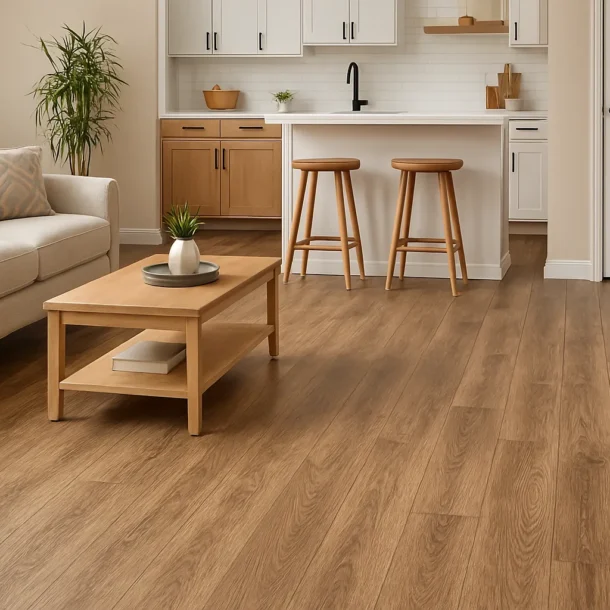
After insulation and inspections, walls are drywalled, taped, and painted. This is followed by flooring (laminate, vinyl, or carpet), trims, and fixtures.
After finishing, the city inspector will conduct a final walk-through. If everything meets the code, you’ll receive a final occupancy permit or approval.
The time and cost for a legal basement renovation can vary depending on the size, complexity, and finish quality. Below is a rough estimate based on a 700–1,000 sq. ft. basement unit in the Guelph-Waterloo Region:
| Task | Estimated Cost (CAD) | Time Required |
|---|---|---|
| Design & Drawings | $2,000 – $4,000 | 1–2 weeks |
| Permit Application | $500 – $1,000 | 1–3 weeks (approval time varies by city) |
| Framing & Insulation | $4,000 – $7,000 | 1–2 weeks |
| Electrical & Plumbing | $6,000 – $10,000 | 2–3 weeks |
| HVAC & Ventilation | $2,500 – $5,000 | 1 week |
| Drywall & Finishes | $5,000 – $12,000 | 2–4 weeks |
| Flooring & Fixtures | $3,000 – $8,000 | 1–2 weeks |
| Inspections & Final Approval | Included in permit fees | Ongoing |
| Total Estimate | $23,000 – $47,000 | 2 – 3 months |
Note: These numbers are approximate and assume no major structural work or underpinning is required.
Even with a solid plan, basement renovations can face unexpected hurdles. Here are some common issues that may delay completion:
Municipalities may take longer than expected to review and approve drawings, especially if they require revisions or zoning variances.
Older homes may have surprises behind the walls (such as water damage, mould, or non-code-compliant wiring), which can add cost and time.
Skilled trades availability and backordered materials (especially HVAC equipment or electrical panels) can stall progress.
While interior work isn’t weather-dependent, if exterior excavation or waterproofing is involved, poor weather can delay work.
City inspectors have limited availability. If you miss a window or fail an inspection, your project may stall until re-inspection is completed.
Work With Licensed Professionals: Always hire licensed electricians, plumbers, and HVAC techs, and ask for proof of liability insurance. At SAMandREZ, Rez is a licensed plumber and gas and HVAC technician, so those parts of your basement are done by someone licensed for them.
Get Multiple Quotes: Prices vary; obtain at least three quotes for each trade.
Clarify Scope and Timeline in Contract: This will help manage expectations and protect you legally.
Plan for a 10–15% Contingency: Unexpected costs are common. A buffer will keep your budget intact.
Finishing a basement legally in Guelph, Waterloo, Kitchener, or Cambridge is a worthwhile investment that adds usable space and increases property value. Whether you’re building a cozy family area, home office, or legal rental suite, staying compliant with local bylaws and building codes is essential. With a solid plan, experienced contractors, and a realistic timeline and budget, you can enjoy a beautifully finished basement that’s both functional and fully legal.
If you’re ready to start your basement transformation, connect with a reputable renovation team who understands the local code requirements and will guide you from permits to paint.
A legal unit usually needs a new bathroom and kitchen: see our bathroom renovation and kitchen renovation pages. For the rules on duplexes and second units, read the legal duplex and second unit guide, and see how we plan layouts with 3D renovation design.
78 Summit Ridge Dr,
Guelph, ON N1E 0B8
info@SAMandREZ.com
(519) 741-7140
Licensed & fully insured
Monday-Friday, 9am – 5pm
Saturday and Sunday, 9am – 4pm
“Building your own home is about desire, and fantasy. But it’s achievable.
Anyone can do it.”